



















Day vs Night Fragrances: Building a Simple Two-Scent Wardrobe
You do not need a shelf full of bottles. For the vast majority of people, two well-chosen fragrances cover almost every occasion: one lighter scent for daytime, work and warm weather, and one richer, deeper scent for evenings, dinners and colder months. Everything beyond that is a hobby, not a necessity. This guide explains what actually separates a day scent from a night scent, how to choose a pair that feels like one coherent identity rather than two unrelated personalities, and when it makes sense to break your own rule.
TL;DR: A day fragrance is lighter, fresher and quieter — citrus, green, aromatic and airy woody accords that stay close to the skin and behave in an office or in heat. A night fragrance is warmer and denser — amber, woods, spices, vanilla and musk that project further and last longer in cool evening air. Pick two that share a common thread (usually a woody or musky base) so they read as the same person at different hours. Spray less by day, more deliberately at night. A single well-balanced unisex fragrance can cover both if you would rather start with one bottle.
What Makes a Fragrance a Day Scent
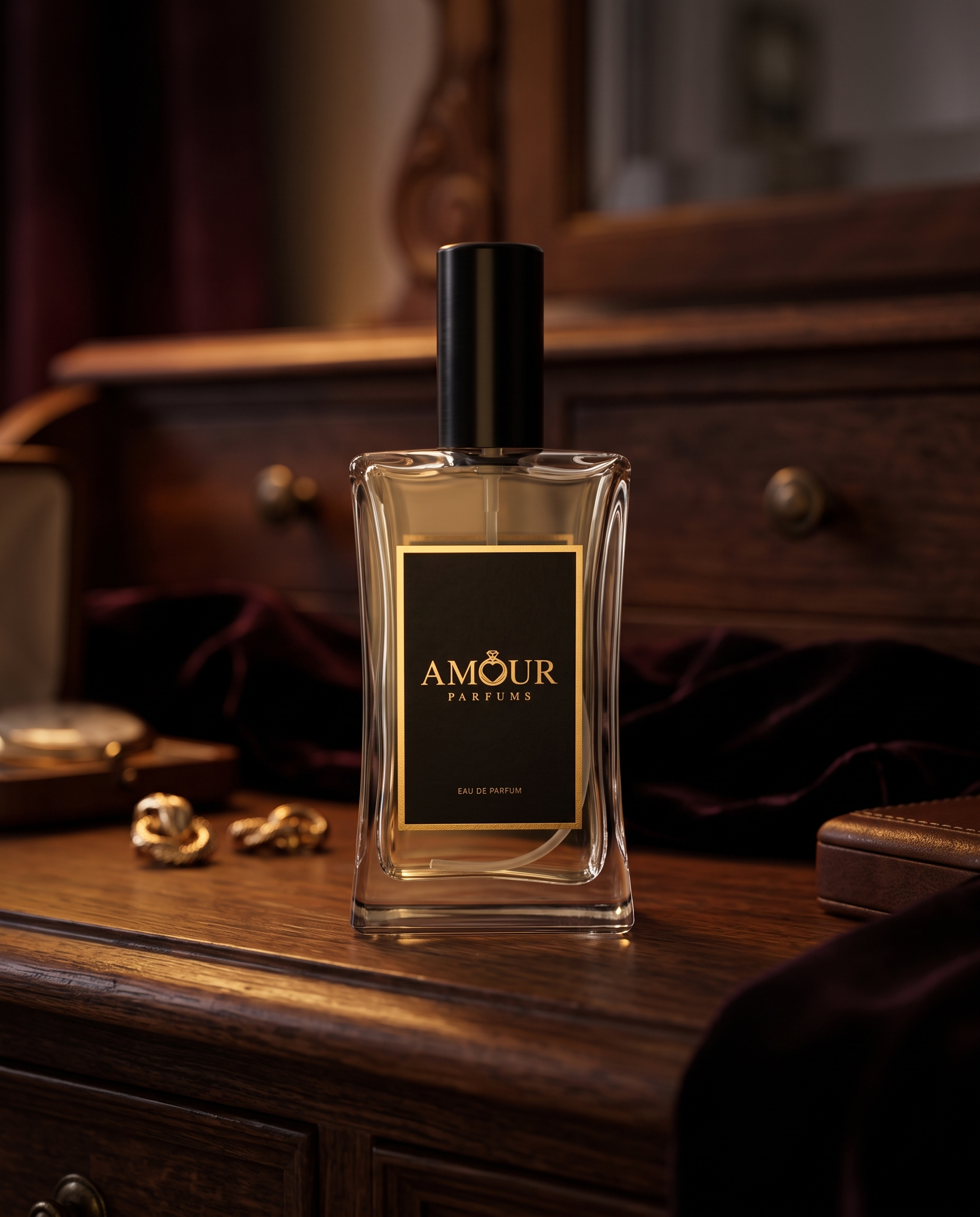
A daytime fragrance is defined less by a specific note list and more by how it behaves around other people. During the day you are usually in shared, enclosed spaces — an office, a car, a train, a meeting room — and often in warmer air. Heat amplifies fragrance. Something that smells pleasant and moderate on a cool evening can become overwhelming at 2pm in July.
The characteristics that make a scent work in daylight hours:
- Lighter concentration. Eau de toilette strengths, or eau de parfum compositions built around fresh materials, tend to sit closer to the skin rather than filling a room.
- Citrus and green openings. Bergamot, lemon, mandarin, tomato leaf, sage and other green materials read as clean and awake. They are also the notes our noses associate with morning and with freshly laundered things.
- Aromatic and herbal accords. Herbs and lightly spicy notes add character without adding weight, so the fragrance is interesting rather than merely inoffensive.
- Moderate projection. A good day scent is noticed at conversational distance, not across a room. This is the single most important quality for office wear.
- Heat tolerance. Fresh, woody and green compositions hold their shape as the temperature rises. Very sweet, resinous or heavily balsamic compositions can turn cloying in the same conditions.
A useful mental test: would you be comfortable wearing this in a lift with three colleagues on a warm morning? If yes, it is a day scent.
What Makes a Fragrance a Night Scent
Evening changes the physics and the social context. The air is cooler, so fragrance evaporates more slowly and reveals its base more gradually. The settings — restaurants, bars, dinners, dates, events — are ones where a little presence is welcome rather than intrusive.
Night fragrances lean on materials with weight and staying power:
- Amber and resinous accords that give warmth and a slight glow.
- Woods — sandalwood, patchouli, cypress, moss — which anchor the composition and give it length.
- Spices, from warm spicy notes to pepper, adding a pulse of intensity.
- Vanilla and musk, which create the soft, skin-like trail that reads as sensual rather than merely fresh.
- Richer florals, particularly white florals like jasmine and ylang-ylang, which unfold beautifully in cool air and feel dressed-up rather than casual.
The practical difference is projection and depth. A night scent should still be there four hours into the evening. It should also have a base that is worth reaching — the part of the fragrance that lingers on a scarf the next morning.
How to Choose a Pair That Feels Like the Same Person
This is the step most people skip, and it is what separates a wardrobe from a random pair of purchases. Your fragrance is part of how you are remembered. If your day scent is sharp and mineral and your night scent is sweet and gourmand, you smell like two different people to anyone who encounters you in both contexts.
The fix is simple: choose two fragrances that share at least one common thread. Options that work well:
- A shared woody base. If both fragrances dry down over sandalwood or patchouli, they will feel related even when their openings are completely different.
- A shared musk. Musk is the most personal-smelling material in perfumery. Two scents with a musky finish read as the same skin.
- A shared spice. Pepper appearing in both a fresh day scent and a warm night scent creates a signature thread.
- A shared citrus top. Bergamot is the most common bridge in perfumery — it opens an enormous range of compositions and quietly links them.
Think of it as a day version and a night version of the same idea, not two unrelated ideas.
When to Break the Rule
The day/night split is a guideline built on temperature and social setting, not a law. Break it whenever the actual conditions call for it:
- A light scent at night in summer heat. A July evening on a terrace at 28°C is not a cool evening. Wear your fresh scent and let the warm air do the amplifying for you.
- A warm scent by day in winter. Cold, dry air mutes fragrance dramatically. A rich amber-woody composition on a January morning can be perfectly restrained — sometimes barely noticeable at all.
- Dress code over clock. A formal daytime event — a wedding, a ceremony — often suits your evening fragrance better than your desk scent.
- Close quarters at any hour. Long flights, hospital visits, small meeting rooms: go lighter regardless of the time of day, or skip fragrance entirely.
How to Apply Differently for Day and Night
The same bottle behaves very differently depending on how you apply it. Application is a volume control, and most people never touch it.
For daytime: use fewer sprays — typically two, at most three. Apply to the chest under a shirt or to one wrist rather than to the neck. Spraying under clothing softens the initial burst and gives a slower, closer release. Avoid spraying directly onto the neck and behind the ears in the morning if you are heading into an office; that placement is designed to project.
For evening: use pulse points properly — the sides of the neck, behind the ears, the inner wrists, and the chest. Warm skin drives evaporation, which is exactly what you want after dark. Adding one spray to clothing (a jacket lapel, a scarf) extends longevity significantly, since fabric holds fragrance far longer than skin. Test on an inconspicuous area first, as some materials can mark delicate fabrics.
General rules for both: apply to clean, slightly moisturised skin — hydrated skin holds scent longer. Never rub your wrists together; it crushes the top notes. And apply before you dress fully, not after you have finished getting ready, so the opening has a minute to settle.
A Ready-Made Two-Scent Wardrobe
If you would rather not assemble a pair from scratch, here is a complete wardrobe built on the principles above — one day scent, one night scent, and one all-rounder that bridges the two.
The Day Scent
AMOUR No. 210 is a men's fragrance and the daytime anchor of this wardrobe. It opens on bergamot, cassia, tomato leaf and tangerine — a crisp, green, slightly bitter start that feels genuinely awake rather than simply clean. The heart brings rose and pepper for structure and a light spicy lift, and it settles onto sandalwood and patchouli. The overall profile is aromatic, citrus, fresh spicy, green and woody: sharp enough to feel intentional, restrained enough for an open-plan office and a warm commute.
The Night Scent
AMOUR No. 50 is a women's fragrance built for evening. Bergamot, mandarin and ylang-ylang open it, but the composition quickly moves into a rich white floral heart of jasmine, jasmine sambac and rose centifolia. The base is where it earns its place after dark: Australian sandalwood, Ambrox, musk and vanilla, giving an amber, powdery, warm spicy drydown with real depth and a long trail. This is a dinner, event and date fragrance — deep, sensual and unmistakably dressed up.
The All-Rounder
AMOUR No. 402 is a unisex fragrance and the bridge between the two. It opens with black currant, lemon and bergamot, then moves through pomegranate, sage, rose and cypress into a base of white musk, moss and patchouli. The result is woody, aromatic, fruity, citrus, musky and herbal all at once — fresh enough to wear to work on a warm day, textured enough to carry an evening without feeling underdressed. If you want to begin with a single bottle and add the day and night specialists later, start here.
Note the shared threads: bergamot in the opening of all three, and woody-musky materials in the base of all three. That is what makes them work as a wardrobe rather than as three separate purchases. You can browse the full AMOUR Parfums collection to explore other pairings built on the same logic.
Frequently Asked Questions
How many perfumes do I really need?
Two is enough for most people: one lighter fragrance for daytime and warm weather, and one richer fragrance for evenings and cold weather. A third can be useful if your life includes a distinct context the other two do not cover — very formal events, or a signature scent you reserve for special occasions. Beyond three, you are collecting rather than dressing.
What makes a fragrance office-appropriate?
Restraint. An office fragrance should be noticeable within about an arm's length and no further. Fresh, citrus, green and light woody compositions do this naturally. Heavy sweet, resinous or intensely animalic scents do not, no matter how good they smell in isolation. Application matters as much as the fragrance itself — two sprays on the chest under a shirt is a very different experience for your colleagues than five sprays on the neck.
Can I wear the same perfume day and night?
Yes, and a well-balanced unisex or woody-fresh composition is ideal for this. Adjust the dose instead of the bottle: fewer, lower-placed sprays during the day, more sprays on pulse points and a touch on clothing at night. The same fragrance can read as discreet at 9am and as present at 9pm purely through application.
Which notes suit evening wear?
Amber, sandalwood, patchouli, vanilla, musk, warm spices and rich white florals such as jasmine and ylang-ylang. These materials are heavier and evaporate more slowly, so they hold their shape in cool air and last through a long evening. They also create the soft, lingering drydown that reads as sensual rather than simply fresh.
How many sprays for the office?
Two is the safe default; three at most, and only for a lighter composition. Place them on the chest or a single wrist rather than the neck. If you can still clearly smell your own fragrance an hour after applying it, you have probably applied more than the people around you would choose. Your nose adapts to your own scent quickly, so the fact that you cannot smell it is not evidence that nobody else can.
Should day and night scents smell similar?
Not identical, but related. Aim for a shared thread — a common base of woods or musk, a shared spice, or the same citrus opening — so that the two feel like versions of the same person rather than two different people. Contrast in weight and mood is the point; contrast in identity is not.
Building Your Own Pair
The two-scent wardrobe works because it maps to how your life is actually structured: bright, shared, warm daytime spaces on one side, and cooler, more intimate evening settings on the other. Choose a light citrus-green-woody fragrance for the first, a warmer amber-woody-floral fragrance for the second, connect them with a shared base, and adjust your application to the room you are walking into. That is the whole system.
Ready to start? Explore the AMOUR Parfums collection and build the pair that fits your days and your evenings.